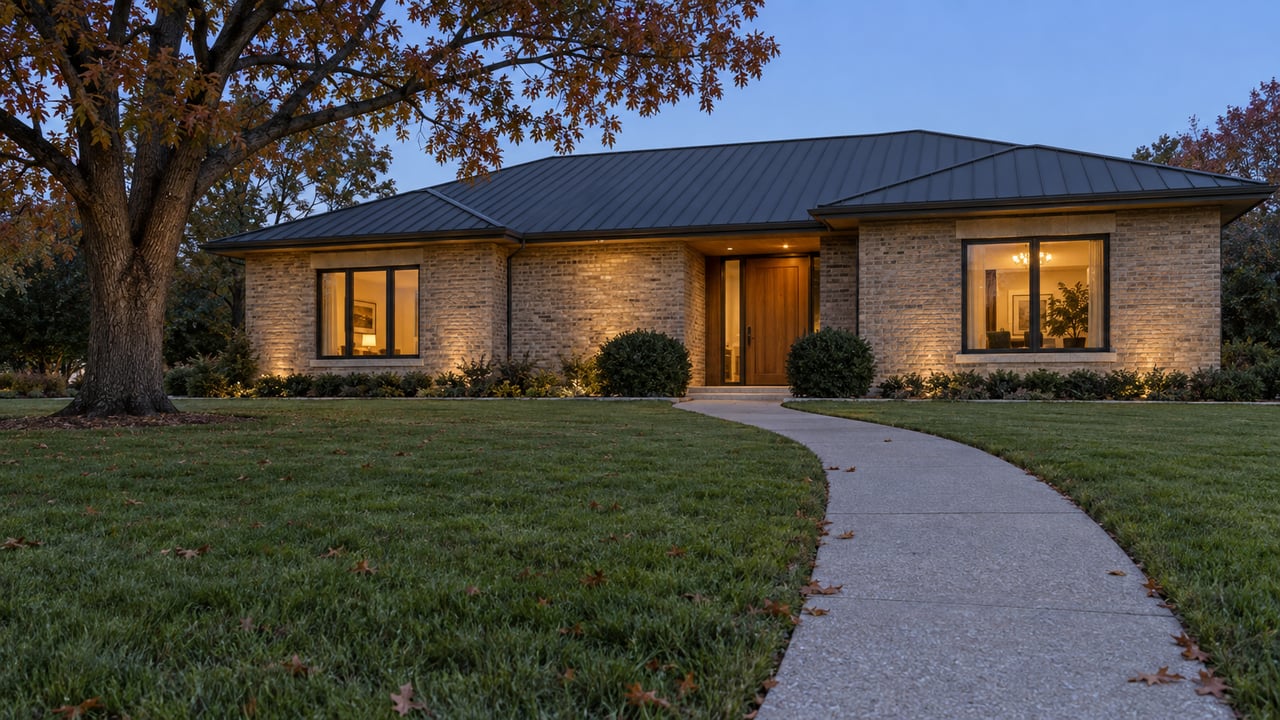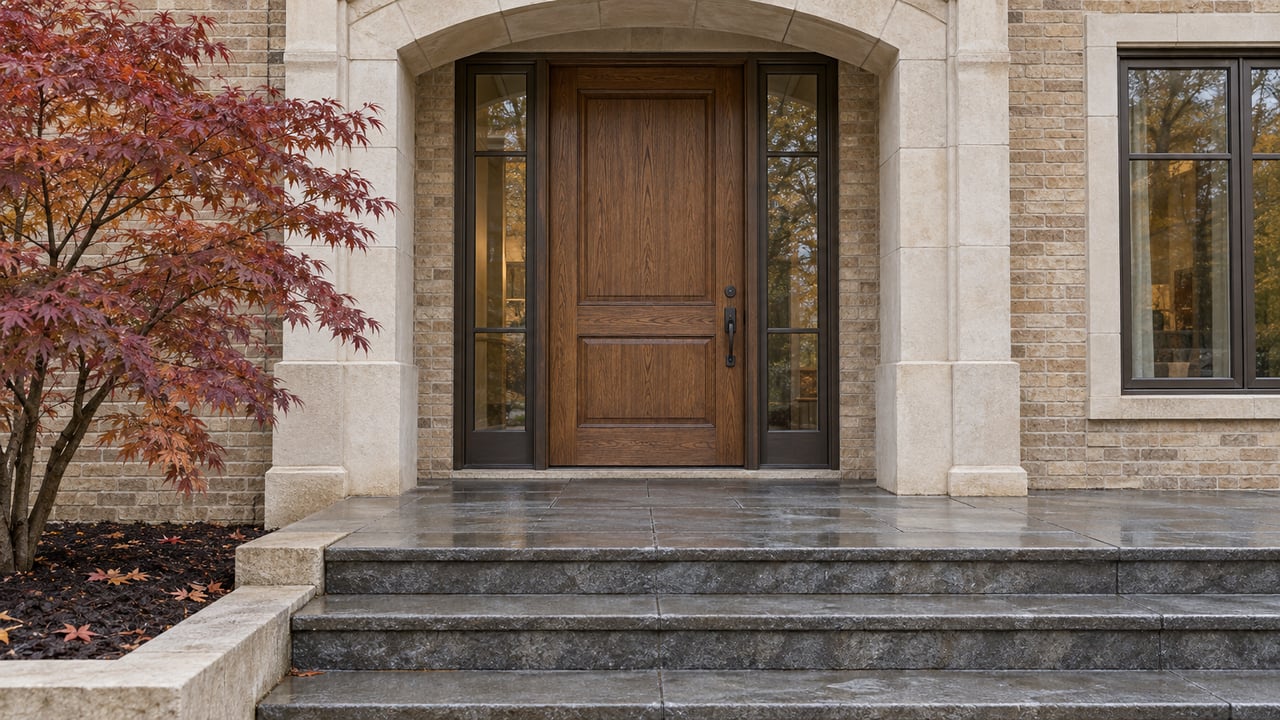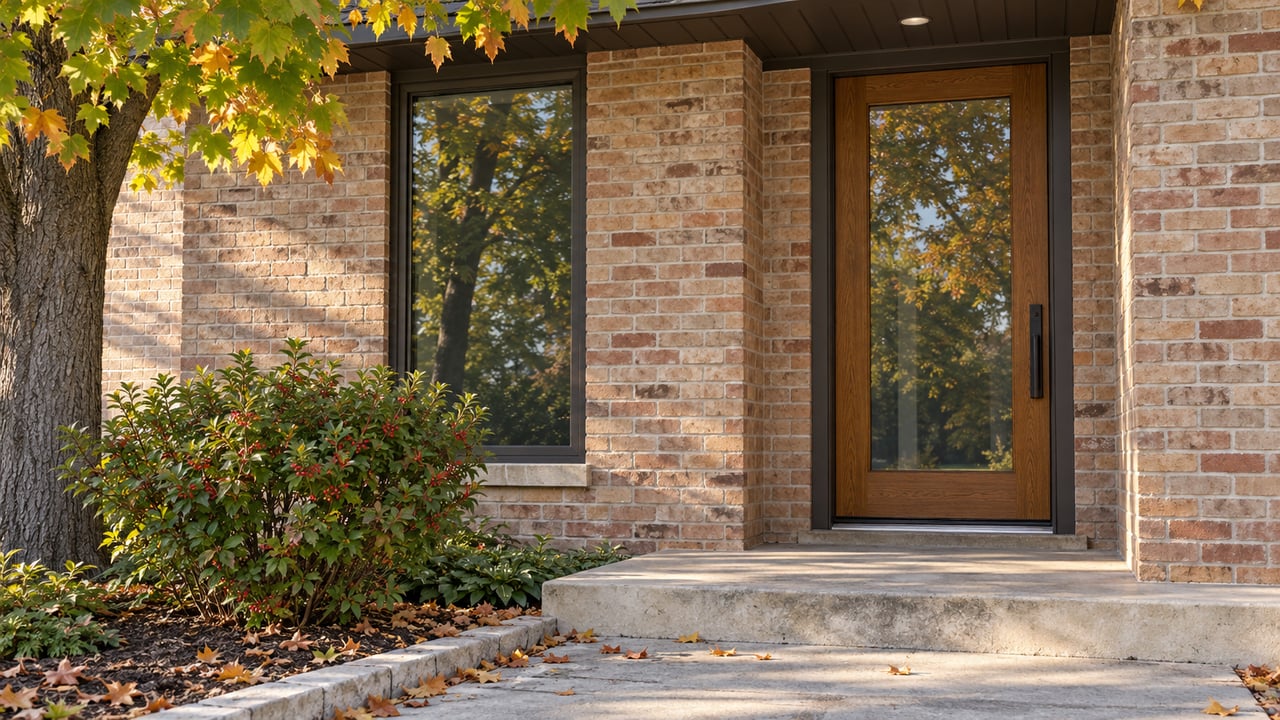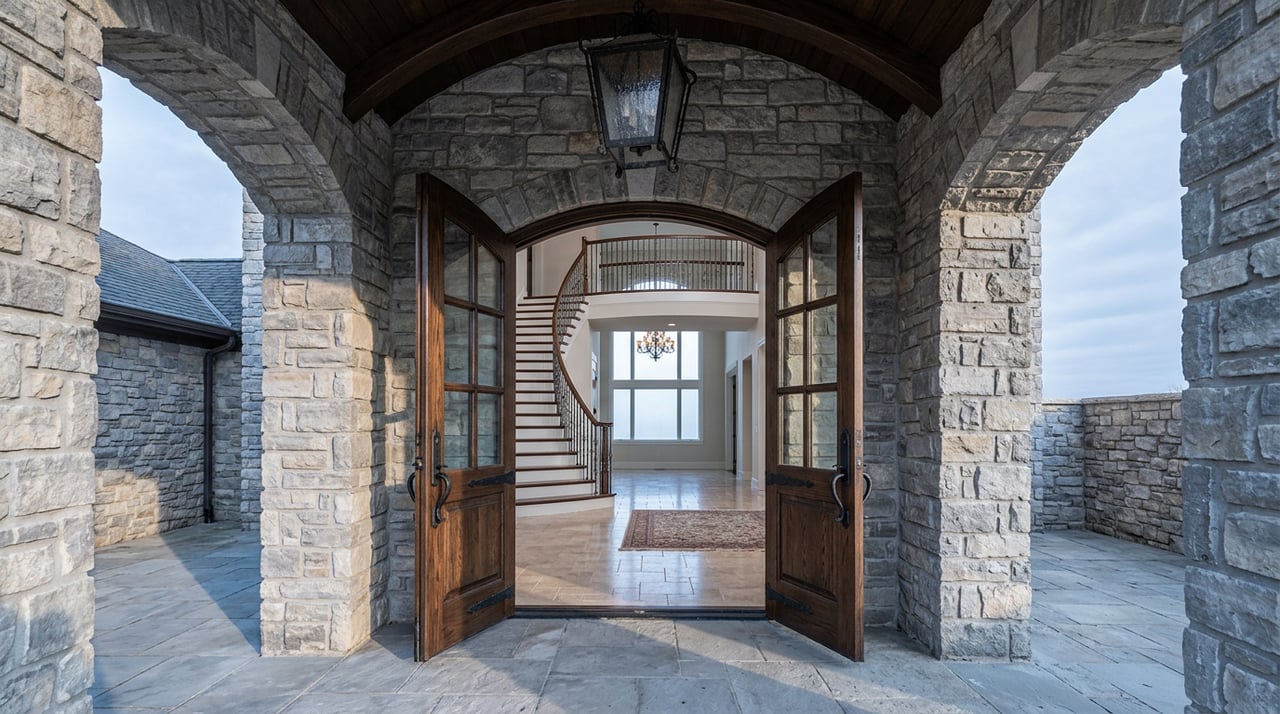
A resale in Oakland Township closed this summer at $1.75 million, about 8 percent under its original $1.895 million ask, after 38 days on the market. That's the kind of number a buyer studies closely before writing an offer. The line most buyers skim past, the current property taxes printed near the bottom of the listing sheet, is the one that actually changes on them the moment the deal records.
That's not a quirk of one transaction. It's how Michigan calculates property taxes, and it hits harder in Oakland Township than in most of the communities around it, for reasons that have nothing to do with tax rates and everything to do with how long the seller has owned the house.
The Cap Nobody Explains Until You're the One Resetting It
Michigan's Proposal A, passed by voters in 1994, limits how fast a property's taxable value can climb each year while it stays in the same hands. The increase is capped at the rate of inflation or 5 percent, whichever is lower. For 2026, the Michigan State Tax Commission set that inflation multiplier at 1.027, meaning existing owners saw their taxable value rise no more than 2.7 percent over 2025.
That cap is a real benefit for people who stay put. It's also the reason the tax figure on a listing sheet often has almost nothing to do with what a buyer will pay. The cap doesn't transfer with the house. When ownership changes hands, the taxable value uncaps and resets to the property's current State Equalized Value the following tax year, whether the buyer paid the appraised price, above it, or below it. The seller's tax bill reflects years, sometimes decades, of capped growth. The buyer's bill reflects the full assessed value starting on day one of new ownership.
On a starter home that traded a few years ago, that reset might add a few hundred dollars a year. On a custom estate that's changed hands once in thirty years, the gap between what the seller was paying and what the state equalized value actually is can be dramatic. That's precisely the profile of a lot of Oakland Township inventory: large parcels, one long-term owner, appreciation that outpaced the annual cap year after year.
Why the County-Wide Rate Doesn't Prepare You Either
Buyers who do their homework often check the effective tax rate before they check anything else, and Oakland Township looks reassuring on that front. Its median effective property tax rate runs around 0.71 percent, lower than both the Michigan median of roughly 1.05 percent and the national median. A low rate reads as a low bill.
It isn't. Oakland Township's median annual tax bill sits at roughly $3,801, which is about $1,401 higher than the national median of $2,400, even with that below-average rate. The reason is simple once you see it: a low percentage applied to a median home value north of $550,000 still produces a bill well above what that same rate would generate somewhere with lower home prices. The rate tells you almost nothing on its own. The base it's multiplied against is what matters, and in Oakland Township, that base is unusually high and, for long-held homes, about to jump again the year after you buy.
New Construction vs. an Established Estate: What Actually Predicts Your Bill
This is where the mechanism becomes genuinely useful for anyone comparing a resale estate to a new build in the township, which is exactly the comparison a lot of Oakland Township buyers are making right now.
| New construction (e.g., a home in Stoney Creek Crossing or The Vistas of Oakland) | Established estate held 15+ years | |
|---|---|---|
| Starting taxable value | Set at full state equalized value the first year, since there's no prior owner's cap to inherit | Often well below current SEV after years of capped growth |
| What the buyer inherits | A number close to what the listing already shows | A number that resets upward the year after closing |
| Predictability at offer time | High. The tax line on the builder's estimate is close to the real number | Low. The seller's current bill is not a reliable budgeting figure |
New construction in Oakland Township generally starts well above $800,000. The Vistas of Oakland, for example, opens in the low $1 million range for single-family estates running roughly 3,500 to 4,700 square feet, and Stoney Creek Crossing offers luxury ranch and two-story designs from about 2,700 to 5,200 square feet, both zoned into Rochester Community Schools. Existing homes across the township, by comparison, have typically sold in the $630,000 to $650,000 range. Buyers are trading a lower entry price on the resale side for a tax bill that's genuinely hard to predict until you look past the listing sheet.
That doesn't mean new construction is the safer financial move for every buyer. It means the safety comes from a different place: the taxable value is already clean and current, not from the price itself.
How to Find Your Real Number Before You Sign
If you're touring an established property in Oakland Township, the number worth asking for isn't the seller's current tax bill. It's the property's current State Equalized Value, which is public record and available through the assessor. Run that SEV, not the seller's taxable value, through the Michigan Department of Treasury's property tax estimator to see what your first full year of ownership will actually look like. The tool is built for exactly this: entering the SEV shows a future owner's estimate, while entering the current taxable value only tells you what the current owner pays.
It's also worth a call to the Oakland Township Treasurer's office before you write an offer on anything that's changed hands infrequently. They can confirm the current SEV, walk through the summer and winter levy schedule, and flag whether a Principal Residence Exemption is in play, since that exemption affects 18 mills of school operating tax and only applies if you'll occupy the home as your primary residence.
If the post-purchase assessment looks inflated once it arrives, the annual appeal window opens with the local Board of Review each March. That first-year appeal matters more than most buyers realize, because whatever value you're taxed on becomes the new capped baseline for every year you own the home afterward.
A Few Direct Questions
Does the tax line on an Oakland Township listing show what I'll pay after closing? Usually not, unless the seller bought recently. For any home that's changed hands infrequently, the listed tax figure reflects years of capped growth that resets to the current State Equalized Value the year after you close.
If Oakland Township's tax rate is below the state median, why is the typical bill still high? Because the rate applies to a median home value well above $550,000. A lower percentage on a higher base still produces a bill above the national median.
Does buying new construction avoid this problem entirely? It avoids the uncapping surprise, since there's no prior owner's capped value to inherit. It doesn't avoid the higher entry price that comes with most new builds in the township, currently running well above $800,000.
The listing sheet is a snapshot of what the current owner pays, not a forecast of what you will. In a market where a single-owner custom estate is as common as a subdivision spec home, that distinction is worth running the numbers on before you're the one signing the closing documents.
If you're comparing an established Oakland Township property to new construction and want the real math on what either one will cost you after closing, not just what the listing shows, The Zibkowski Team can walk through the assessor's numbers with you before you write an offer. Get a Free Home Valuation and start with figures you can actually plan around.