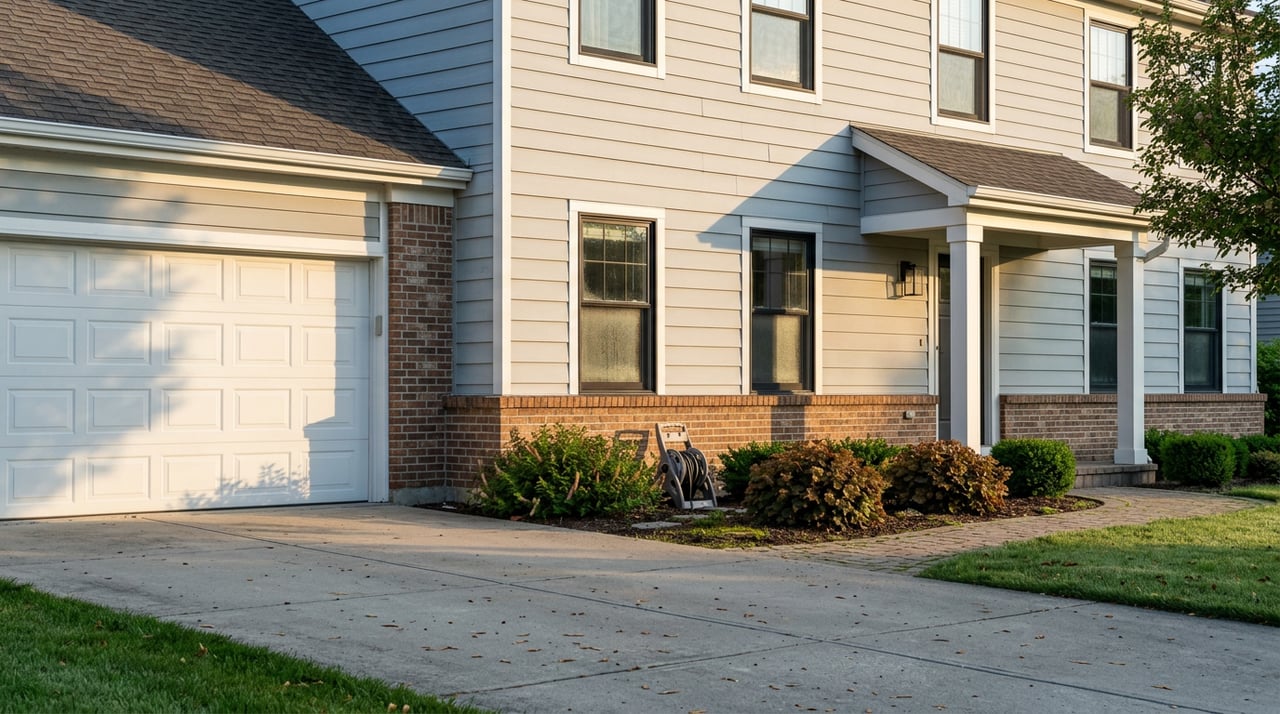
SAN FRANCISCO — Not long ago the pink house at
1829 Church Street, in the Glen Park neighborhood here, hit the market for $895,000.It sold for $1.425 million — $530,000 over the asking price — in less than two weeks.
The story of this fixer-upper, with three bedrooms, two baths, linoleum floors and an Eisenhower-era kitchen, is in some ways the story of the moment in the city, where longtime residents complain that Silicon Valley money is basically ruining the place for everyone else.
More wealth is concentrated in the San Francisco Bay Area than just about any other place in the nation. Google alone, the story goes, minted 1,000 millionaires when it went public. Ditto Facebook. And Twitter? Some estimate 1,600. Tech worker bees are doing just fine, too, with average base salaries now north of $100,000.
To understand how all this money is transforming San Francisco, for better and worse, look no further than this city’s hyperventilating real estate market. As technology companies have moved in — more than 5,000 start-ups now make their home locally — the influx of well-paid workers has pushed rents and home prices through the roof. Worsening matters, San Francisco has also become a bedroom community for many of the young people who work in Silicon Valley. Each day, Apple, Facebook, Google and others shuttle tens of thousands of their employees to work using private buses that have become a controversial symbol of rising tech wealth.
At a recent open house for 1829 Church Street, the broker explained the property’s dilapidated appeal.
“It’s a block away from all the tech shuttles,” he said.
On one level, the technology industry and its riches have been very good to San Francisco. The unemployment rate is 4.8 percent, compared with 6.6 percent nationwide. Entire neighborhoods are being revitalized — or destroyed, depending on whom you talk to. To some, San Francisco is losing its soul as it gentrifies rapidly.
There is reason to worry. Over the last decade, 75,000 people have moved to San Francisco, but only 17,000 new housing units have been built. Over the next 25 years, city officials project, 150,000 more people will arrive.
“The city is surrounded by water on three sides, and there is nowhere for people to go,” said Glenn Kelman, chief executive of Redfin, an online real estate brokerage firm.
Little wonder, then, that a feeding frenzy is underway in the housing market. Landon Nash, a real estate broker, said it was not uncommon for open houses to see hundreds of people shuffle through and conclude with a 20-person bidding war. People are waiving mortgage contingency clauses and home inspections — and paying cash.
In December, almost 40 percent of the home sales were all cash. Redfin estimates that, on average, 60 percent to 80 percent of San Francisco homes are selling for prices over the original asking price. Most are gobbled up within 16 days of being listed, down from 61 days five years ago, when the nation’s real estate market was still soft.
But here’s the problem: As more people move in, the city will also need more public-school teachers, police officers and firefighters. Living in San Francisco on a city salary is difficult if not impossible. According to Redfin, in San Francisco County, where the average teacher earns $59,700 a year, not a single home now on the market is within the reach of the average public-school teacher. For police officers, who make an average of $80,000 a year, there is one affordable home. Five years ago, police officers and teachers could have afforded 36 percent of the homes on the market, according to Redfin.
Even some tech entrepreneurs and programmers say they are being priced out. They are competing with co-workers who got in early on a tech start-up, or started one of their own, and have seemingly unlimited money at their disposal.
When Mark Zuckerberg bought his pied-à-terre in San Francisco’s Noe Valley in 2012, he had a representative knock on the door of the home he liked — it wasn’t even for sale — and then offered the owners all cash at double the value of the property.
On Tuesday, 250 San Francisco residents congregated at Virgil’s Sea Room, a bar in the Mission district, to discuss the housing crisis. It didn’t take long for the event, called Tech Workers Against Displacement Happy Hour, to erupt into an expletive-fueled yelling match between tech workers and people running nonprofits that are trying to stop evictions in the city.
City officials know they have a housing problem on their hands.
“Our approach to housing in San Francisco is very dysfunctional,” said Scott Wiener, a San Francisco supervisor who is a proponent of new housing. “The system is intentionally designed to make it as difficult as possible to build new housing.”
There are long lists of rules, regulations and hurdles developers need to get around before building in the city that Mr. Wiener said were created to curb new construction. Real estate experts say the only way to build is up, but many longtime residents have shot down proposals for high-rise housing.
Additionally, with each new housing unit, there need to be some affordable options. According to the Public Policy Institute of California and the Stanford Center on Poverty and Inequality, more than 23 percent of San Francisco residents are below the poverty threshold.
In recent years, officials have managed to approve some new high-rise housing in the SoMa and Tenderloin areas. But it seems to be too little, too late.
“We’re in an absolute housing crisis right now,” Mr. Wiener said. “There’s no easy solution, and it’s going to take us time to fix this.”