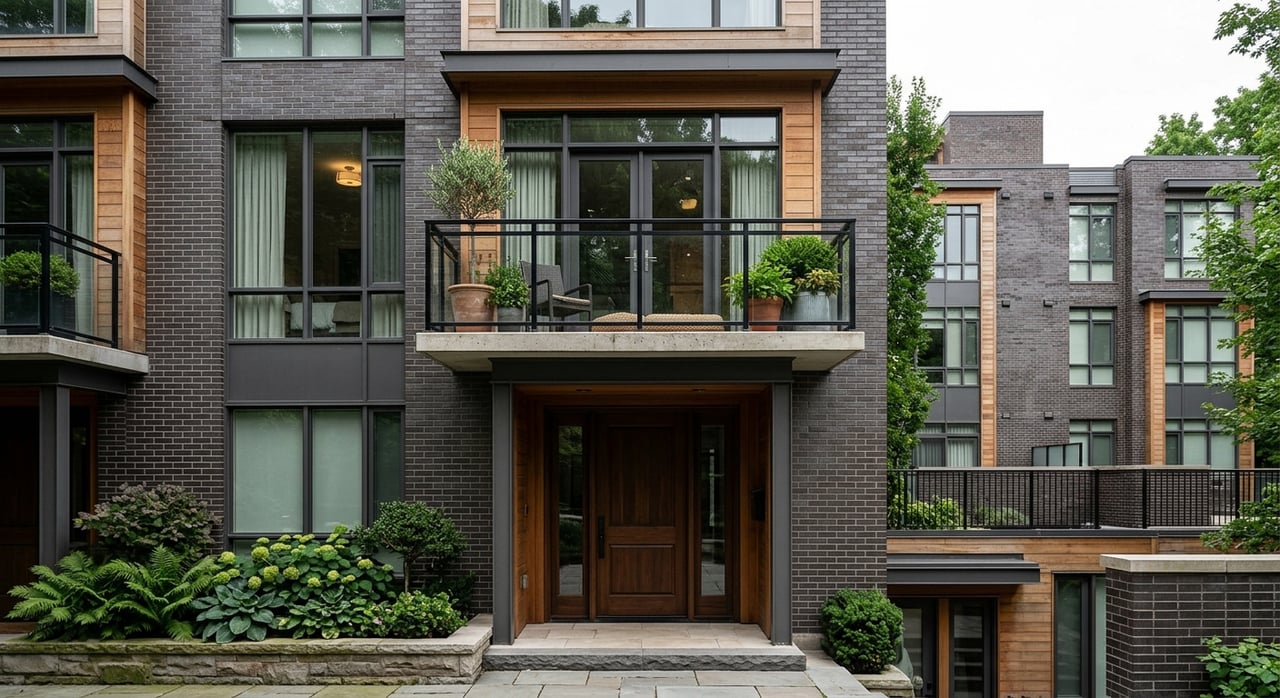
Trying to decide between a condo and a house in Rochester, MI? It is a common choice, and the right answer depends less on trends and more on how you want to live day to day. If you want less exterior upkeep, easy access to downtown, or more control over your yard and future plans, this guide will help you sort through the tradeoffs with a clear local lens. Let’s dive in.
Rochester Housing Gives You Both Options
Rochester offers a mix of housing types, which is one reason this decision can feel tricky. According to the City of Rochester master plan, the city had 5,997 housing units in 2018, with 63% single-family units and 35% multiple-family units.
That blend gives buyers real choices. The same plan notes that newer single-family homes and condominiums are often found on the outskirts of the city, while older single-family homes and apartment-style housing are closer to downtown.
In practical terms, that means your lifestyle goals may shape your map search just as much as your budget. If you picture walkable amenities and shared maintenance, a condo may stand out. If you want more separation and control, a house may feel like the better fit.
Why Some Buyers Choose a Condo
For many buyers, condo living is about convenience. Downtown Rochester is a good example of why that appeals to people, with more than 400 shops, salons, restaurants, and professional service businesses, plus waterways, three parks, and two winding trails.
If you want to spend less time thinking about exterior upkeep, a condo can simplify daily life. In Michigan, condo associations typically handle common elements, which can reduce the amount of maintenance you manage on your own.
That said, convenience is not the same as complete freedom from responsibility. Condo ownership comes with monthly dues, and in some cases, owners may also face special assessments for added funding needs.
What Condo Ownership Means in Michigan
One of the most important things to understand is that a condominium association is a private entity, not a public one. Under Michigan guidance, the association must keep books and records, maintain a reserve fund for major repairs and replacement of common elements, and may assess owners for additional funds if needed.
You should also know that condo ownership is defined by documents, not just by how the property looks. Michigan identifies key condo documents as the master deed, subdivision plan, bylaws, and disclosure statement, and those documents must be available to prospective buyers.
This matters in Rochester because some properties that look like detached homes are legally condos. In a site condominium, you may own a detached unit that feels like a house, while roads, open space, recreation areas, or even yard areas may still be treated as common or limited common elements.
Why Some Buyers Choose a House
A house usually gives you more direct control over the property. If privacy, yard use, or future exterior changes matter a lot to you, a traditional house may better match your goals.
That control can be especially important if you expect your needs to change over time. You may want more freedom to adjust outdoor space, change exterior features, or plan for long-term use without association rules shaping each decision.
In Rochester, houses are also a major part of the local housing stock. Planning materials indicate that single-family land uses are primarily found on the west and east sides of the city, which gives buyers several areas to consider when looking for a detached-home setting.
House Ownership Comes With More Responsibility
More control usually means more responsibility. If you buy a house, you will likely have more say over the property, but you will also be the one coordinating upkeep, repairs, and many future improvements.
In Rochester, permits are required for projects such as decks, garages or carports, hot tubs, pools, roof replacement, altered windows or door walls, driveway work, and additions. Some deck projects in newer subdivisions may also require subdivision association approval.
That does not make a house the wrong choice. It simply means that flexibility often comes with extra planning, more maintenance decisions, and more hands-on ownership.
Condo vs House: The Key Tradeoffs
When buyers compare a condo and a house in Rochester, the decision often comes down to control versus convenience. Here is a simple way to frame it.
| Factor | Condo | House |
|---|---|---|
| Exterior maintenance | Often reduced because common elements are association-managed | Usually your direct responsibility |
| Monthly costs | Monthly dues may apply | No condo dues in a standard subdivision, but maintenance costs remain |
| Special charges | Special assessments may be possible | Repair costs are typically paid directly by you |
| Outdoor space | May be shared or limited common element | Usually more direct control of yard space |
| Future changes | Often shaped by bylaws and approval rules | Generally more flexibility, subject to permits and local rules |
| Rental or occupancy rules | May be limited by condo documents | Often more flexible, depending on property and local rules |
If you are already pre-approved, this comparison can help narrow the field quickly. Ask yourself whether the monthly fee buys enough convenience to justify less direct control, or whether a detached home better fits your need for privacy, yard space, and future flexibility.
Site Condos Can Blur the Line
One of the most confusing parts of the Rochester-area market is the site condo. These properties can look like standalone houses, but legally they still fall under Michigan’s Condo Act.
That means you should not assume a detached home is automatically a standard subdivision house. In a site condo, features such as roads, open space, recreation facilities, carport spaces, or even the yard may be treated as common or limited common elements.
For you as a buyer, that changes the questions you need to ask. A property may offer the look of a house with some of the rules and shared obligations of a condo.
Where You May See Each Option Locally
In the City of Rochester, planning materials identify newer duplexes or townhomes in planned condominium developments along Letica Drive and on the northeast side. Older areas south of West University and west of Main include converted flats, while single-family areas are more common on the west and east sides of the city.
Rochester Hills also shows a broad zoning mix that includes one-family residential districts along with multiple-family and planned development categories. Official parcel mapping identifies condo communities such as The Hills of Rochester Condo, The Enclaves of Rochester Hills, Bellbrook Condominium of Rochester Hills, and Whispering Winds of Rochester Hills.
If you want condo-friendly living tied closely to amenities, downtown Rochester is often the clearest local example. If you want a detached-home-heavy environment, broader Rochester Hills and many single-family sections of Rochester may offer more of what you are looking for.
Questions to Ask Before You Decide
Before you choose a condo or house in Rochester, slow the process down and ask practical questions. The answers can save you from surprises later.
Here are some of the most important ones:
- What do the monthly fees cover?
- Is the property a true condo, a site condo, or a standard subdivision home?
- Are there reserve funds, special assessments, or known future costs?
- Are there rental or occupancy restrictions in the bylaws?
- If you want a deck, fence, addition, pool, or other exterior change later, what approvals would be required?
- Is the outdoor space deeded to you, shared, or classified as a limited common element?
These questions matter because the details can change the value of a property for your specific goals. A home that looks perfect on day one may feel very different once you understand the rules, costs, and level of control that come with it.
How to Choose the Right Fit for You
If your top priorities are convenience, lower day-to-day exterior maintenance, and being close to downtown activity, a condo may be the stronger fit. That can be especially appealing if you want a simpler routine and are comfortable reviewing association documents closely.
If your top priorities are privacy, outdoor space, and long-term flexibility, a house may make more sense. That is often true for buyers who already know they want room to personalize the property over time.
There is no one-size-fits-all answer in Rochester. The best move is to compare not just price and square footage, but also dues, rules, permits, outdoor space, and how much control you want over the property.
When you are weighing a condo versus a house in Rochester or nearby Oakland County communities, local guidance can make the process much clearer. The Zibkowski Team helps buyers navigate the details, compare options, and move forward with confidence.
FAQs
What is the difference between a condo and a house in Rochester, MI?
- A condo usually includes shared ownership structures and association rules, while a house typically gives you more direct control over the property and yard.
What should buyers review before buying a Rochester condo?
- You should review the master deed, subdivision plan, bylaws, disclosure statement, monthly fees, reserve funding, special assessment history, and any rental or occupancy rules.
What is a site condo in the Rochester area?
- A site condo is a detached-home-style property that is still legally governed as a condominium under Michigan law.
What permits might Rochester house buyers need for future improvements?
- Rochester requires permits for projects such as decks, garages or carports, hot tubs, pools, roof replacement, altered windows or door walls, driveway work, and additions.
Where are condos and houses commonly found in Rochester, MI?
- Planning materials show single-family areas primarily on the west and east sides of Rochester, with some planned condo developments and converted flats closer to other parts of the city, including areas near downtown.
Is downtown Rochester a good fit for condo buyers?
- Downtown Rochester may appeal to condo buyers who want close access to shops, restaurants, parks, trails, and a more amenity-rich setting.