Buying a cottage or a piece of land in Shelby can sound simple at first. Then the real questions show up fast: Is the property in the Village of Shelby or Shelby Township? Will you need well and septic? Can you camp on the land before you build? If you want a smooth purchase, those answers matter early.
If you are looking at a seasonal cottage, future building site, or vacant parcel in Shelby, MI, the best move is to treat each property like its own project. This guide walks you through the local rules, utility differences, permit issues, and due diligence steps that can help you avoid surprises before closing. Let’s dive in.
Start With Shelby Jurisdiction
The first thing to confirm is whether the property is in the Village of Shelby or Shelby Township. Even though both use the Shelby name, the rules are not interchangeable.
In the Village of Shelby, buyers are directed to start with a village zoning permit and then move to the county building permit process. In Shelby Township, zoning, camping, and land-division forms are handled through the township. That one detail can affect your permit path, utility setup, and ongoing ownership costs.
Know How Utilities May Differ
Utility service is one of the biggest differences between village and township properties. In the Village of Shelby, public water and sanitary sewer service are available. The village also posts drinking water reports, and water bills include fixed Ready to Serve charges along with usage and environmental fees.
For a seasonal cottage owner, that means some utility costs may continue even when the home is used lightly. In Shelby Township, most parcels rely on private wells and septic systems, according to the township master plan. Electricity is generally available through Consumers Energy or Great Lakes Energy, and natural gas service is noted through DTE.
Broadband is another item to verify before you buy. The township master plan notes that some areas may be underserved by broadband and wireless service. If you plan to work remotely or spend long stretches at the property, parcel-level confirmation is important.
Understand Cottage Permit Basics
If you are buying a cottage that you want to improve, expand, or rebuild, permit requirements should be part of your early review. In the Village of Shelby, new construction, additions, certain decks, and pools require both zoning and building permits.
Even when a structure is small, zoning still matters. For example, small sheds under 200 square feet may be exempt from permits, but they still must meet village setback rules. Before any digging begins, the village says buyers should contact Miss Dig.
The county building process can also require more than a basic application. Depending on the project, you may need an approved well and septic plan and drain commissioner soil-erosion approval. This is why buyers should not assume a simple cottage upgrade will stay simple once permitting starts.
Review Land Rules Before You Buy
Vacant land can be full of opportunity, but it can also come with extra layers of review. In Shelby Township, land division rules are especially important if the parcel was recently split or may be split in the future.
The township ordinance says that any land division creating a parcel under 40 acres must receive local approval before the new parcels are marketed, sold, or recorded. The application requires proof of ownership, lawful parent-parcel status, a survey, and evidence that taxes or assessments are current. Oceana County also says land divisions need tax certification showing all taxes were paid for the previous five years.
That means if you are buying land with future plans, you should verify that the parcel is already a legal buildable lot or confirm what approvals are still needed. A good-looking parcel on paper is not enough if access, boundaries, or approval status are still unclear.
Check Camping Rules for Vacant Land
Many buyers assume they can place an RV on vacant land and use it seasonally while planning a future build. In Shelby Township, camping is regulated and requires a permit.
The township ordinance says both temporary and permanent camping require approval. Temporary camping is defined as 1 to 14 days or nights, and permanent camping is defined as 15 to 365 days or nights. The posted ordinance also includes lot-size rules, setback requirements, annual inspections, and a rule against porta potties for temporary or permanent camping facilities.
If your plan is to enjoy the land before building a cottage or home, ask about camping rules before you close. This is one of the easiest places for expectations and local rules to clash.
Watch for Environmental and Site Limits
Some Shelby-area properties need more review because of location and site conditions. If the property is near shoreline areas or other sensitive land, you may need to check for additional approvals.
Oceana County points buyers to EGLE contacts for shoreline protection, critical dunes, inland lakes and streams, and floodplain issues. The county permit checklist also says to check for driveway permits and soil-erosion review when work is within 500 feet of a body of water or disturbs one acre or more.
EGLE states that work involving inland lakes and streams, wetlands, and critical dune areas is permit-governed. If you are buying land for future development, these issues can affect cost, timing, and what you can actually build.
Plan for Well and Septic Ownership
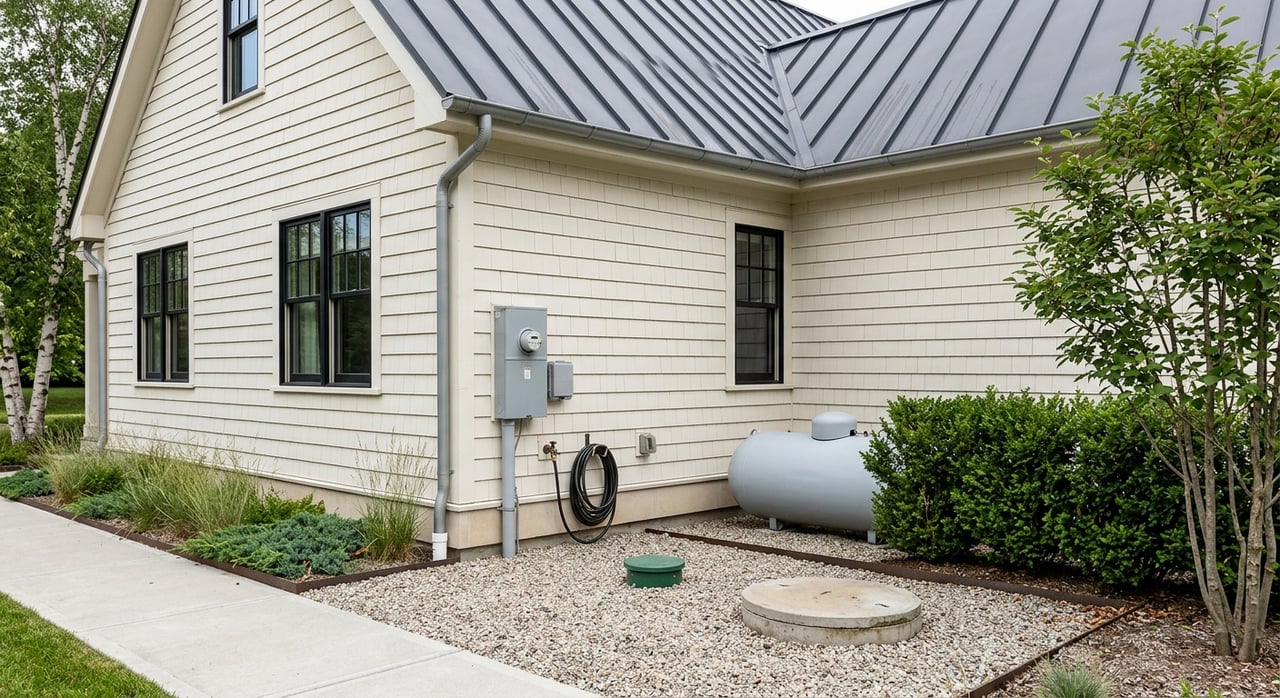
If you buy in Shelby Township, private well and septic ownership may be part of the package. That can work well, but it also means you need to understand your maintenance responsibilities.
District Health Department #10 handles private well and septic permits, site evaluations, and final inspections. The department says homeowners may install their own septic system, while other installers must be licensed by the department. DHD#10 also recommends pumping septic tanks every 3 to 4 years.
Michigan also states that testing private well water is the owner’s responsibility. EGLE warns that septic system leaks can contaminate well water if systems are not maintained properly. Before closing on a cottage or land parcel with existing systems, ask when the well was last tested and when the septic tank was last pumped or inspected.
Prepare for Seasonal Ownership
A cottage is not just a purchase decision. It is also a maintenance plan. If you expect winter use or seasonal shutdowns, it helps to know what the state recommends before you take ownership.
Michigan recommends weather-stripping and insulating walls, attics, and basements, insulating pipes, knowing your water shutoffs, cleaning gutters, having backup heat, and placing battery-operated carbon monoxide detectors near sleeping areas. Those are practical steps that can help reduce cold-weather damage and improve safety.
If the property uses a septic system, seasonal habits matter too. SepticSmart guidance from EGLE says not to overload the drainfield, not to park or drive on it, to use water efficiently, and to put only septic-safe items into drains and toilets.
Ask Better Questions Before Closing
Strong due diligence usually comes down to asking the right questions early. Here are some of the most useful ones to bring up during your buying process.
Questions for Your Lender
- Does the loan program allow vacant land, seasonal cottages, or parcels without public utilities?
- What down payment, acreage, access, survey, or well and septic documentation is required?
- Will the lender need proof that the parcel is a legal buildable lot?
- If you plan future improvements, can those be financed later?
Questions for Local Offices
- Is the property in the Village of Shelby or Shelby Township?
- What zoning district applies to this parcel?
- Is public water and sewer available, or should you plan for well and septic?
- Are there open permits, special assessments, unpaid taxes, village taxes, or utility charges tied to the property?
- Will land division, driveway, soil erosion, shoreline, floodplain, wetlands, or critical dune permits apply?
- If you want seasonal camping, what township permit conditions apply?
- What documents will the county building department require?
Questions for Inspectors and Professionals
- When was the well last tested?
- When was the septic system last pumped or inspected?
- Is the well or drainfield located where vehicles, drainage, or future improvements could damage it?
- Is there evidence of freeze damage, roof leaks, moisture intrusion, or insulation gaps?
- Can a surveyor confirm boundaries, access, and setback compliance before closing?
Why Every Shelby Parcel Needs Its Own Review
The biggest mistake buyers make with cottages and land is assuming one Shelby property works like the next. In reality, each parcel can bring a different mix of zoning rules, utility setups, environmental limits, and permitting steps.
That is especially true when you are buying for seasonal use, future construction, or a long-term land hold. A clear review of jurisdiction, access, utilities, permits, and maintenance needs can help you move forward with more confidence and fewer expensive surprises.
If you are thinking about buying a cottage or land in Shelby, it helps to work with a team that values process, communication, and the details that keep a transaction on track. The Zibkowski Team is here to help you evaluate properties carefully and move forward with clarity.
FAQs
What should you verify first when buying land in Shelby, MI?
- First, confirm whether the property is in the Village of Shelby or Shelby Township, because that affects zoning, permits, utilities, and local review.
Does Shelby Township allow camping on vacant land?
- Yes, but temporary and permanent camping require a township permit and must follow posted lot-size, setback, inspection, and facility rules.
Do Shelby, MI cottages always have public water and sewer?
- No. Village of Shelby properties may have public water and sanitary sewer service, while most Shelby Township parcels rely on private wells and septic systems.
What permits might apply to Shelby, MI land or cottage improvements?
- Depending on the property and project, you may need zoning, building, land division, driveway, soil-erosion, shoreline, wetlands, floodplain, inland lakes and streams, or critical dune approvals.
What should you ask about a private well and septic system in Shelby Township?
- Ask when the well was last tested, when the septic tank was last pumped or inspected, and whether the system location could limit future improvements or be at risk of damage.
Why is a survey important when buying Shelby, MI vacant land?
- A survey can help confirm boundaries, access, and setback compliance, which is especially important for land division review and future building plans.