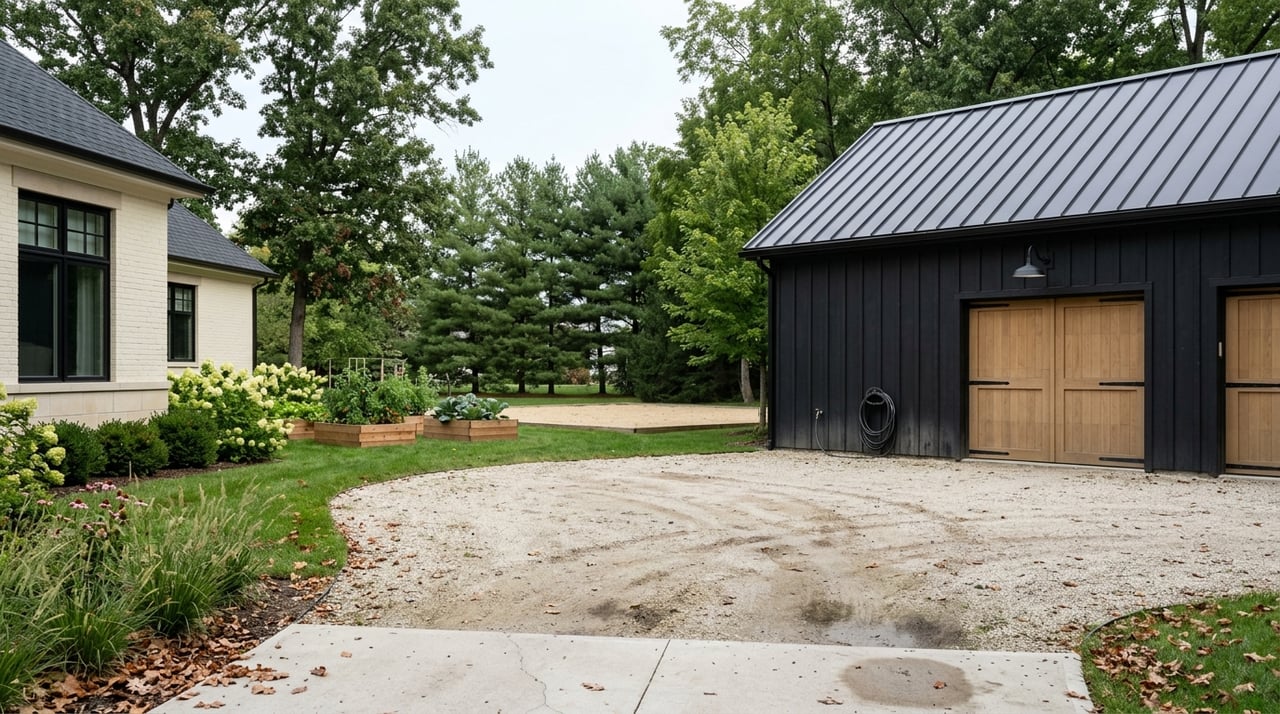
If you are drawn to the idea of more space, more privacy, and a little breathing room between homes, Oakland Township likely stands out for a reason. This is one of those places where larger parcels, wooded surroundings, and a semi-rural feel can make day-to-day life look very different from a standard subdivision. If you are thinking about buying or owning land here, this guide will help you understand what acreage living in Oakland Township really involves. Let’s dive in.
Why Oakland Township Feels Different
Oakland Charter Township covers 36 square miles in northeast Oakland County and has a noticeably lower-density feel than many nearby communities. The township describes itself as a rural, wooded residential bedroom community, and the numbers support that character. According to the township’s community history information, 2023 land use included 41.6% single-family residential, 27% recreation and conservation, 13% vacant land, and 6.3% agricultural land.
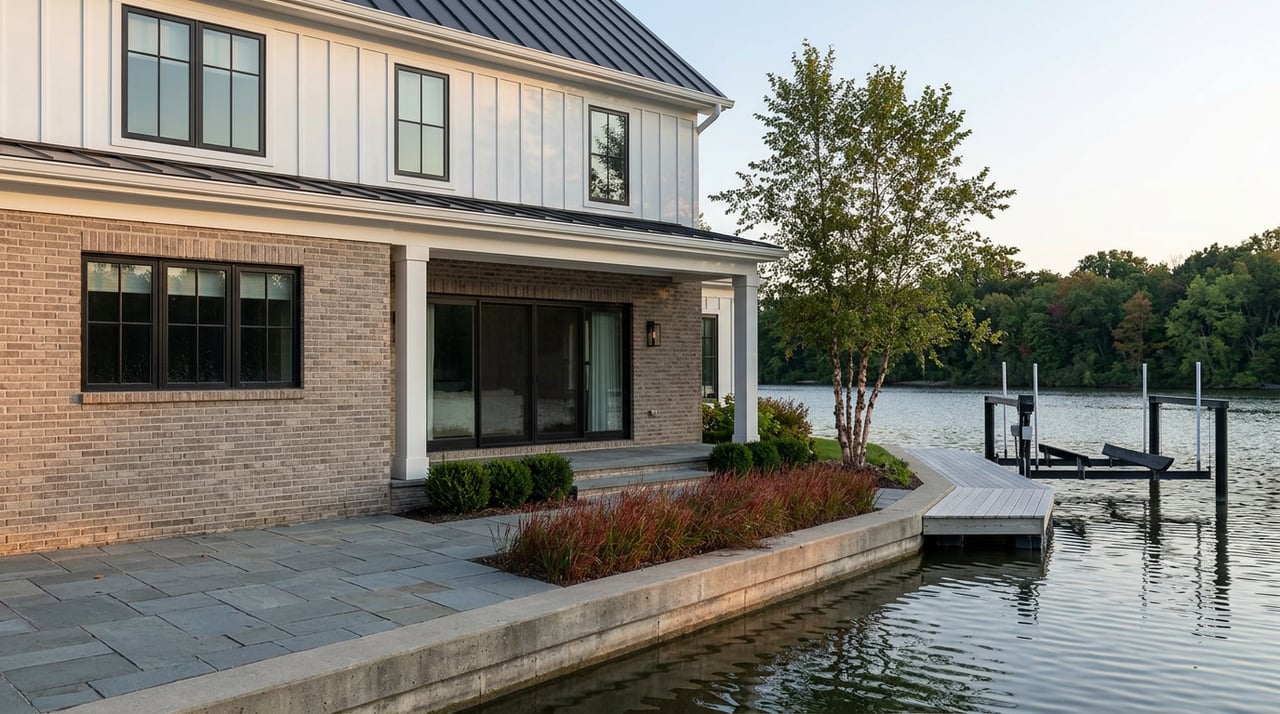
That landscape matters when you are choosing a home. The same township source notes that land cover is 52.3% trees and 35.6% open space, which helps explain why larger parcels here often feel private, natural, and visually open at the same time. For buyers who want room to spread out without leaving Metro Detroit entirely, that balance is a big part of the appeal.
The township also has a population of 20,067 according to the 2020 Census, which helps keep the area feeling less crowded than more built-out suburban markets. If your goal is to own a property where land is part of the lifestyle, Oakland Township offers a setting that aligns well with that vision.
What Homes on Land Look Like
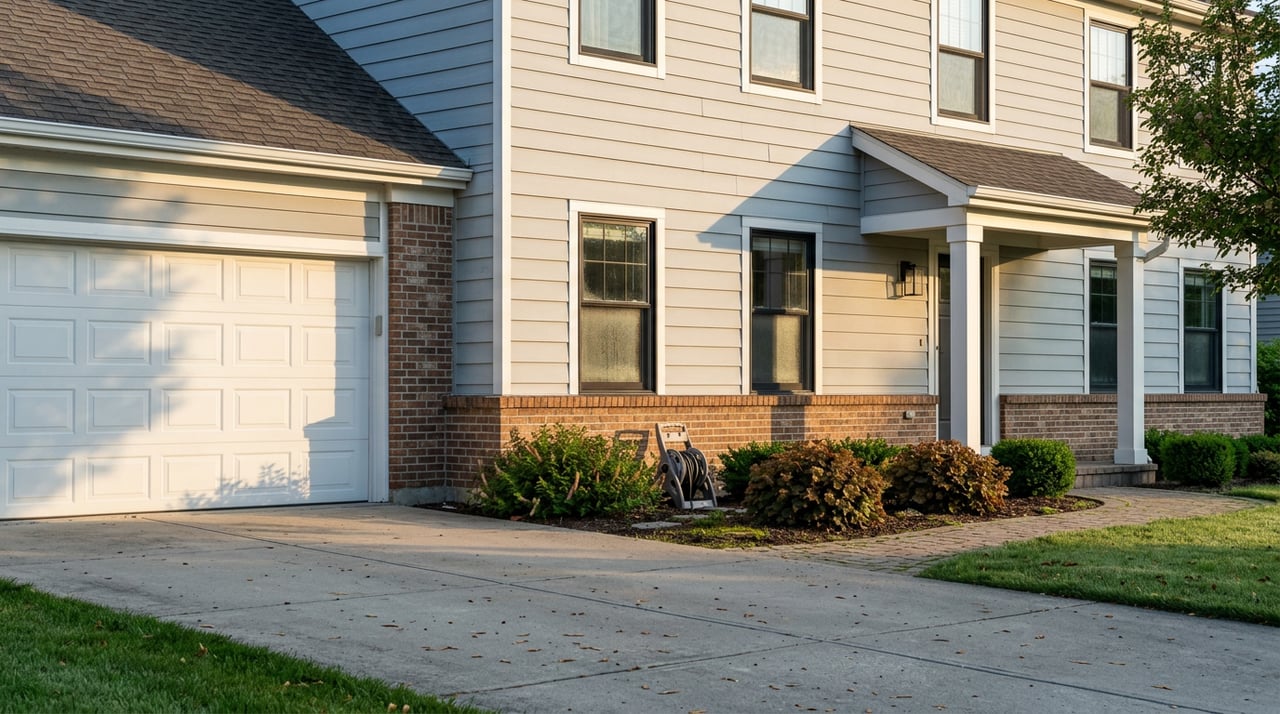
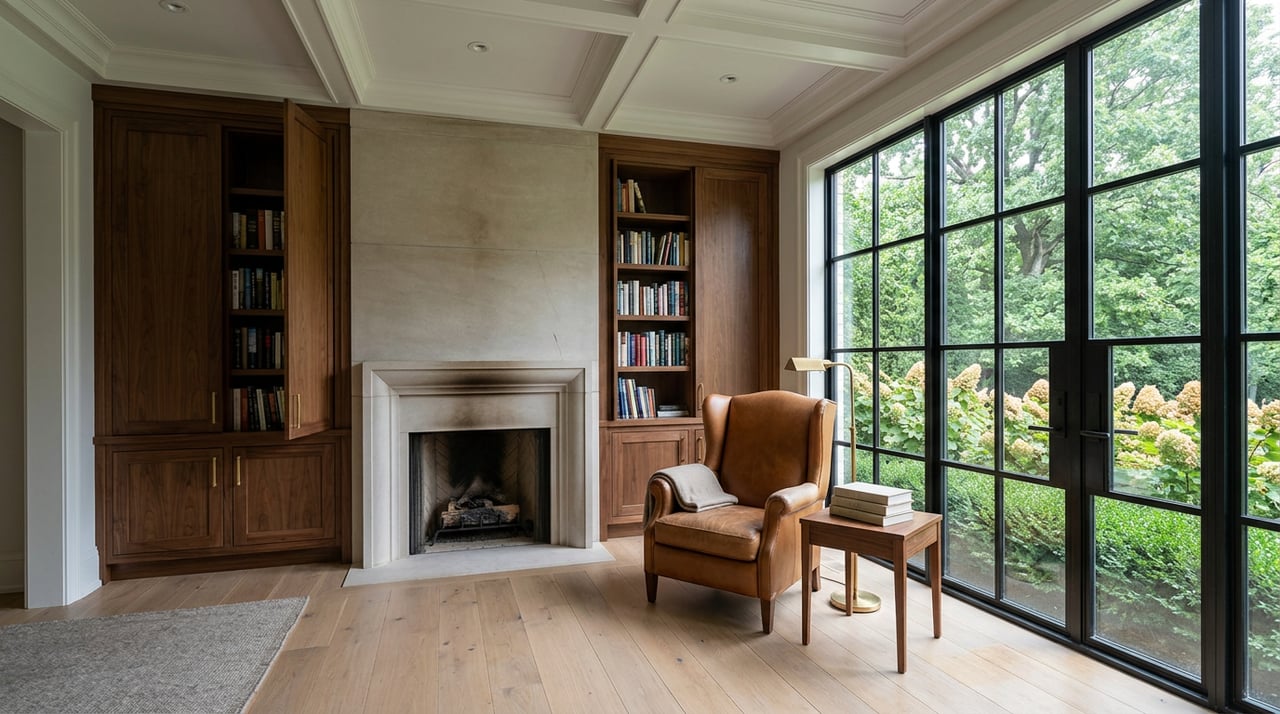
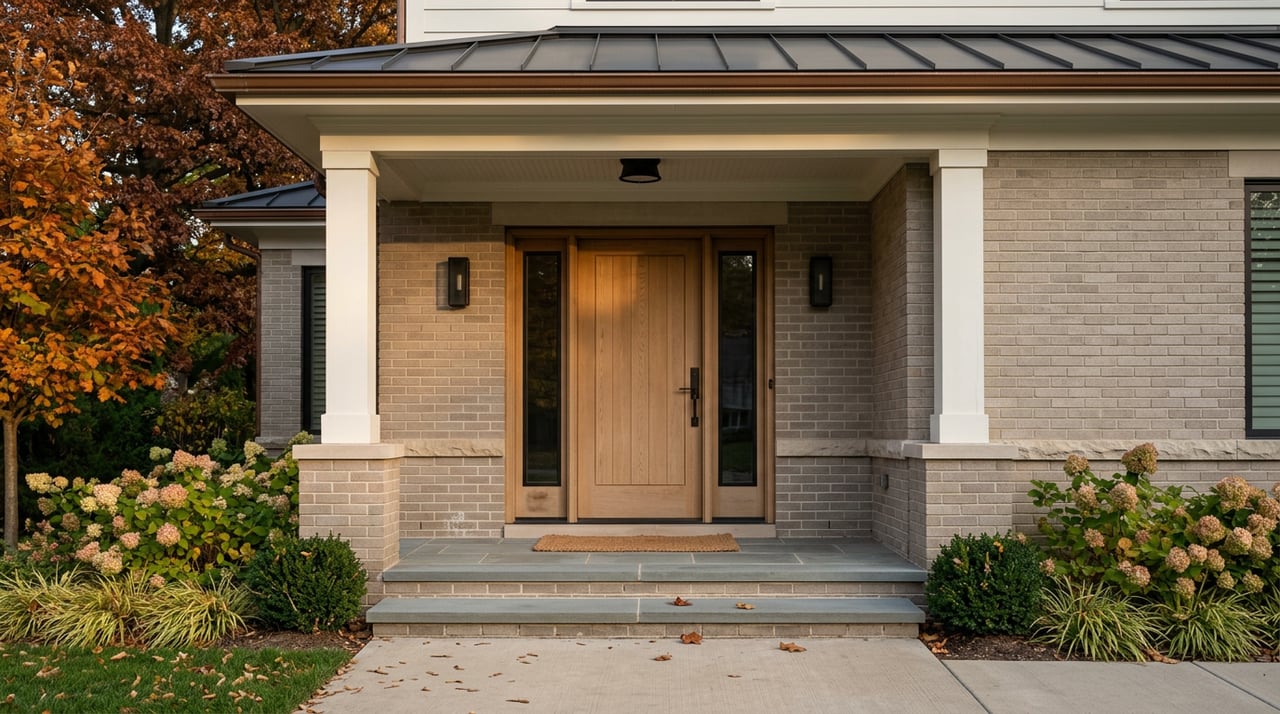
Acreage living in Oakland Township does not come in just one style. The housing mix includes custom colonials, ranches, one-story primary-suite layouts, cottage-style homes, and larger custom builds on bigger parcels, based on representative local market examples from a builder source. That variety means you are not limited to one look if you want land.
The township’s land story also includes an older agricultural layer. The Cranberry Lake Farm Historic District reflects that history with a main house, outbuildings, a silo, orchard, and garden that are now part of Cranberry Lake Park. For today’s buyers, that history helps explain why the area can feel like a blend of estate residential living and long-standing farmland patterns.
In practical terms, you may see everything from polished custom homes to properties where the land itself is the main feature. That makes it especially important to evaluate each property on its own merits, including layout, access, utility setup, and how you plan to use the parcel.
Land Changes How You Live
Buying a home on acreage is not just about square footage. It is also about how you want to use the property and how much hands-on ownership you are comfortable with. A larger lot can give you privacy, flexibility, and a stronger connection to the outdoors, but it also adds more variables to review before you buy.
In Oakland Township, those variables often include outbuildings, driveway length, utility type, lot dimensions, and seasonal upkeep. If you are comparing a land-based property to a home in a more typical subdivision, these details can have a direct impact on both convenience and long-term maintenance.
Check Zoning Before You Fall in Love
One of the biggest mistakes acreage buyers can make is assuming the land can be used however they want. In Oakland Township, zoning rules play a major role in what you can add and how a property can function.
The township zoning ordinance requires every building to have access to a public street or an approved private road. It also says accessory buildings must be subordinate to the principal structure, located on the same parcel, and kept out of easements or right-of-way areas. In addition, accessory buildings larger than 50 square feet require permits, and detached structures face placement limits that can become more restrictive on smaller lots, according to the township zoning ordinance.
That means you should verify more than just lot size. You also want to understand buildable areas, setbacks, access points, and whether your plans for a barn, shed, detached garage, or workshop fit the rules for that specific parcel.
Horses and Hobby Uses
If part of your dream is keeping horses or creating a small hobby-style setup, lot size becomes especially important. The zoning ordinance states that in several rural and residential districts, class II animals, including horses, may be kept on lots of at least two acres, subject to fencing and setback requirements.
This is an important detail because two properties with similar acreage may not function the same way. Lot shape, building placement, and spacing from neighboring properties can all affect whether a horse-friendly setup is realistic. If equestrian use is part of your plan, it is smart to confirm the zoning district and parcel layout early.
The surrounding environment supports that lifestyle in some ways too. The township’s Paint Creek Trail information notes that horseback riding is allowed north of Dutton Road only, Paint Creek Junction Park offers horse trailer parking, and Bear Creek Nature Park closes to equestrian use from March 1 to June 8 each year. These details show that trail access and equestrian activity remain part of the broader land-use pattern in the area.
Parks and Open Space Add Value
Part of what makes living on land in Oakland Township attractive is that the open-space feel extends beyond your lot lines. The township says its parks and recreation system includes more than 1,500 acres across 16 parks, several greenspaces, and the Paint Creek Trail.
That network supports activities such as walking, hiking, biking, horseback riding, and nature viewing throughout the year. If you want a property with room to spread out, having that much surrounding conservation and recreation land can add to the overall lifestyle appeal.
This also helps explain why the township feels distinct from a more uniformly developed suburb. Even if your own parcel is manageable in size, the broader setting may still deliver the wooded, open, semi-rural atmosphere many buyers are after.
Utilities Are Not One-Size-Fits-All
Acreage buyers should never assume a standard utility setup. In Oakland Township, water service can vary by address, and confirming the exact arrangement is an important part of due diligence.
According to Oakland County Water Resources Commissioner information, Oakland Township has seven Type 1 water systems that are owned by the township and operated and maintained by the Water Resources Commissioner’s office, with groundwater pumped via wells. The township also notes that water services are not managed directly by the township itself.
If a property uses a private well, the county says the owner is responsible for testing water quality because private wells are not tested regularly like public supplies. The county recommends annual bacteria and nitrate or nitrite sampling. For septic systems, the county health division handles permits and inspections, and the county notes that a new septic system should generally be pumped after two to three years.
For you as a buyer, the takeaway is simple: verify the utility details for the exact parcel. Public water, private well, septic history, and maintenance expectations can all affect your budget and your comfort level.
Access Matters More Than You Think
Longer driveways and private approaches can be a major part of acreage living. They can add privacy and a more impressive arrival, but they also create more responsibility.
The zoning ordinance requires safe off-street parking and access for fire and police protection, which highlights why access is not just a convenience issue. On larger parcels, you should think through winter snow clearing, delivery access, guest parking, and how easy it is to move around the property during wet or icy conditions.
A home that feels tucked away can be very appealing, but it is still worth asking practical questions before you buy. How much driveway needs to be maintained? Is access straightforward in winter? Will larger service vehicles be able to reach the home easily? Those answers can shape your ownership experience more than many first-time acreage buyers expect.
Expect More Seasonal Maintenance
Living on land usually means taking a more active role in property upkeep. In Oakland Township, that can be especially true because of the combination of open space, tree cover, and winter weather.
The National Weather Service climate normals for Detroit show snowfall concentrated from November through March, with January and February being the snowiest months. When that climate pattern meets longer driveways, wooded lots, and larger open areas, owners should expect recurring seasonal tasks.
Common examples include:
- Snow removal in winter
- Driveway attention during freeze-thaw cycles
- Mowing and brush control in warmer months
- Leaf cleanup in fall
These chores are not necessarily drawbacks. For many owners, they are part of the appeal of having more land. The key is going in with a realistic understanding of the time, cost, and equipment that may be involved.
A Simple Buyer Checklist
If you are considering a home on land in Oakland Township, start with a process-driven review instead of relying on assumptions.
Here are some smart questions to ask early:
- What is the exact zoning district for the parcel?
- Does the property have access to a public street or approved private road?
- Are there easements or placement limits that affect future outbuildings?
- Is the property served by public water, a private well, or another system?
- What is the septic status, age, and maintenance history?
- If you want horses or other permitted animal uses, does the parcel meet acreage and setback requirements?
- How much seasonal maintenance will the land and driveway require?
When you work through these questions up front, you can evaluate the property based on both lifestyle fit and practical ownership realities.
Why Guidance Matters on Land Purchases
Homes on acreage often involve more moving parts than a typical suburban purchase. There may be more to verify, more property-specific questions to answer, and more details that affect value beyond the house itself.
That is where local experience matters. Whether you are buying a custom home on a wooded parcel, evaluating a property with outbuildings, or weighing the tradeoffs of a private setting, a clear process can help you make a more confident decision.
If you are exploring Oakland Township acreage homes or preparing to sell a property with land, The Zibkowski Team can help you navigate the details with a practical, local approach.
FAQs
What makes Oakland Township feel more rural than nearby suburbs?
- Oakland Township has a lower-density pattern with significant tree cover, open space, recreation land, and some agricultural land, which contributes to its semi-rural character.
Can you keep horses at an Oakland Township home?
- In several rural and residential districts, horses may be allowed on lots of at least two acres, subject to fencing and setback requirements in the zoning ordinance.
Can you build a barn or shed on land in Oakland Township?
- Accessory structures are generally allowed if they meet zoning rules for permits, placement, parcel access, and easement restrictions.
Are all Oakland Township homes on public water?
- No, utility arrangements vary by property, so you should verify whether a home uses a township-owned public system, a private well, or another setup.
What maintenance should you expect with acreage living in Oakland Township?
- Most owners should plan for snow removal, driveway upkeep, mowing, brush control, and seasonal leaf cleanup.